




HeartCraft by Dr. Dipti Ranjan Dhar
Septal Defect Surgery (Hole in the Heart)
Specialized Surgical Care for Congenital Heart Defects
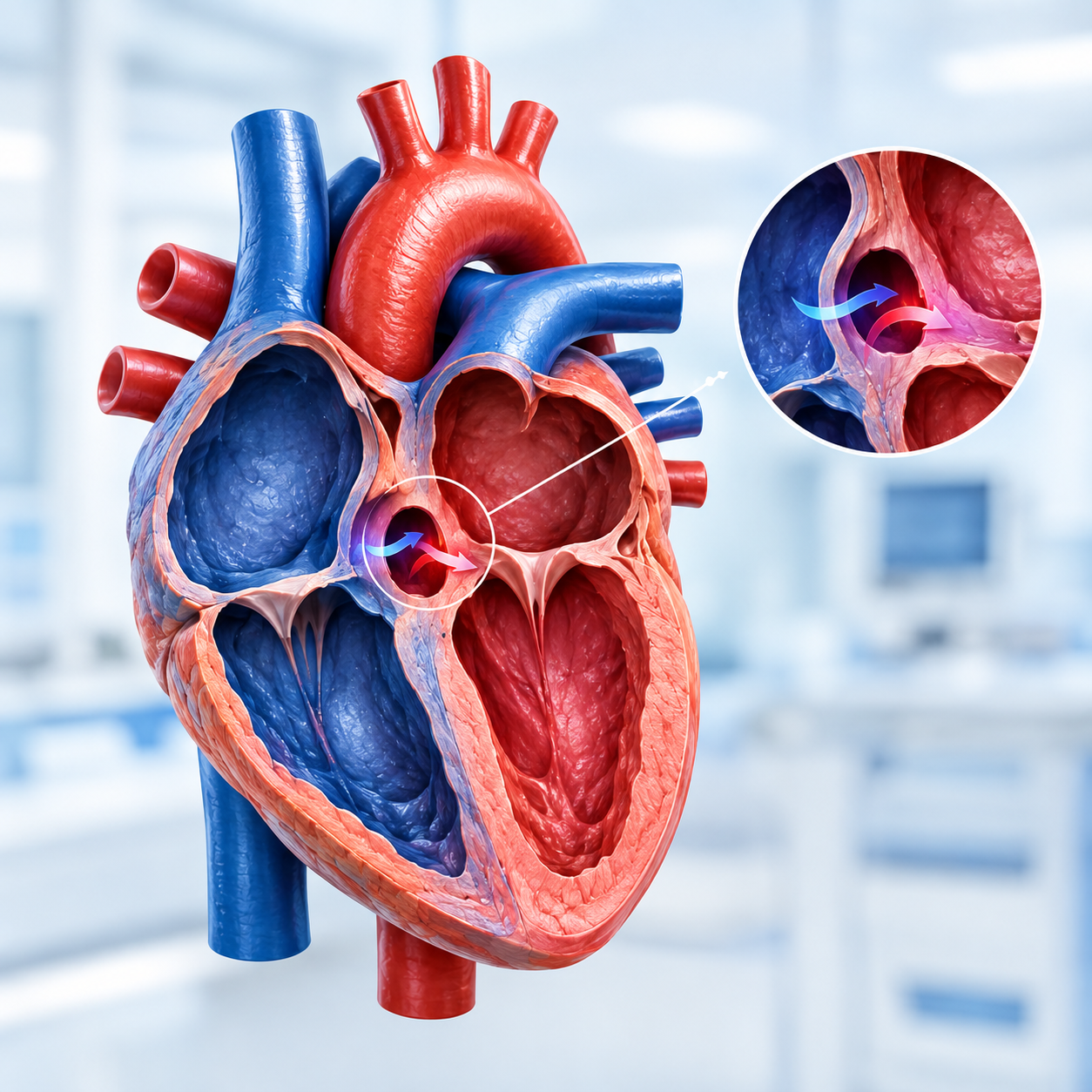
Septal defect surgery is used to treat certain congenital heart defects in which an opening is present in the wall separating the chambers of the heart. These defects are commonly known as a “hole in the heart” and may involve the upper chambers (Atrial Septal Defect – ASD) or lower chambers (Ventricular Septal Defect – VSD).
Depending on the type, size and location of the defect, as well as its effect on heart function and blood flow, treatment may involve regular monitoring, catheter-based closure or surgical repair. A detailed cardiac evaluation helps determine the most appropriate treatment approach for each patient.
What Is a Septal Defect?
A septal defect is an opening in the wall, called the septum, that separates the chambers of the heart. The opening can allow blood to pass abnormally between heart chambers and, depending on its size and location, may increase blood flow to the lungs or place additional strain on the heart.
Some small defects may close naturally or may only require periodic monitoring. Larger or clinically significant defects may require treatment to close the opening and manage their effect on the heart.
Types of Septal Defects
Atrial Septal Defect (ASD)
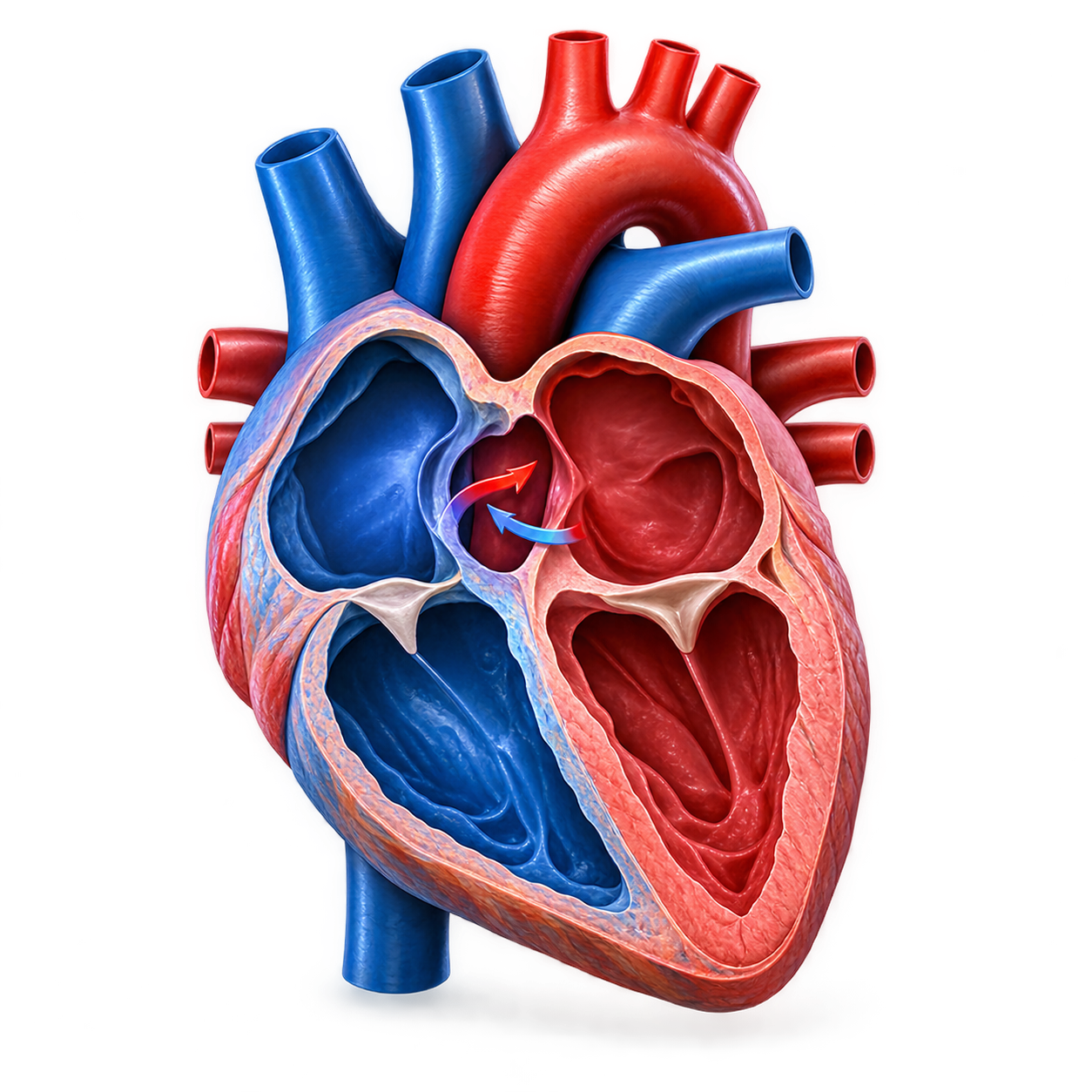
An ASD is an opening between the two upper chambers of the heart, known as the atria. Different types include secundum, primum and sinus venosus defects. Treatment depends on the specific type and characteristics of the defect.
Ventricular Septal Defect (VSD)
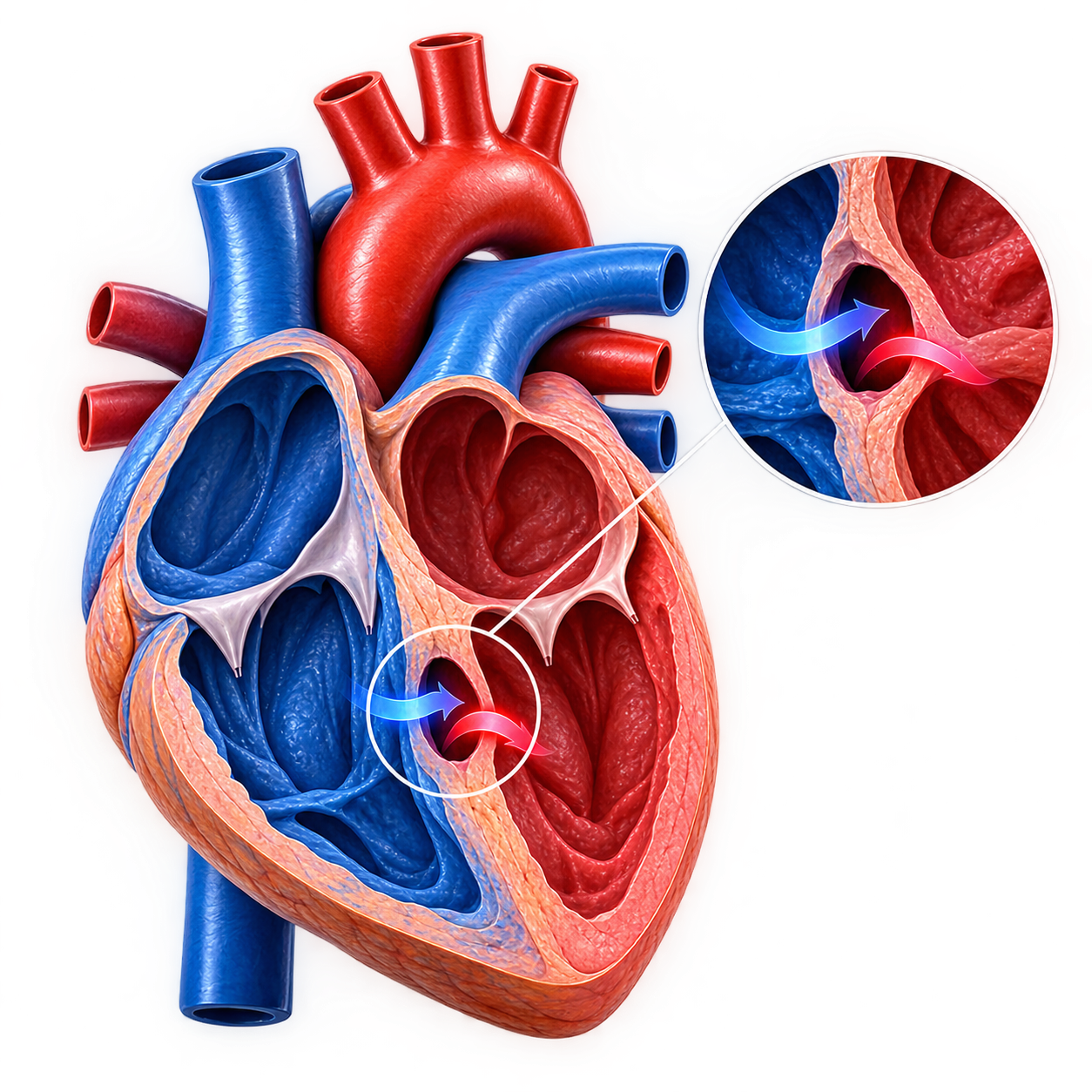
A VSD is an opening between the two lower chambers of the heart, known as the ventricles. Small VSDs may sometimes close on their own, while medium or large defects causing significant effects may require intervention.
When Treatment May Be Needed
Treatment is considered according to the individual patient's cardiac assessment.
- Significant or persistent septal defect
- Abnormal blood flow between heart chambers
- Enlargement or strain of heart chambers
- Symptoms related to the defect
- Increased blood flow to the lungs
- Effects on heart function
- Risk of complications associated with the defect
Note: Not every septal defect requires surgery. Small defects may sometimes be monitored with regular cardiac examinations, while selected defects require closure.
Diagnosis & Cardiac Evaluation
Detailed Assessment Before Treatment
Echocardiography
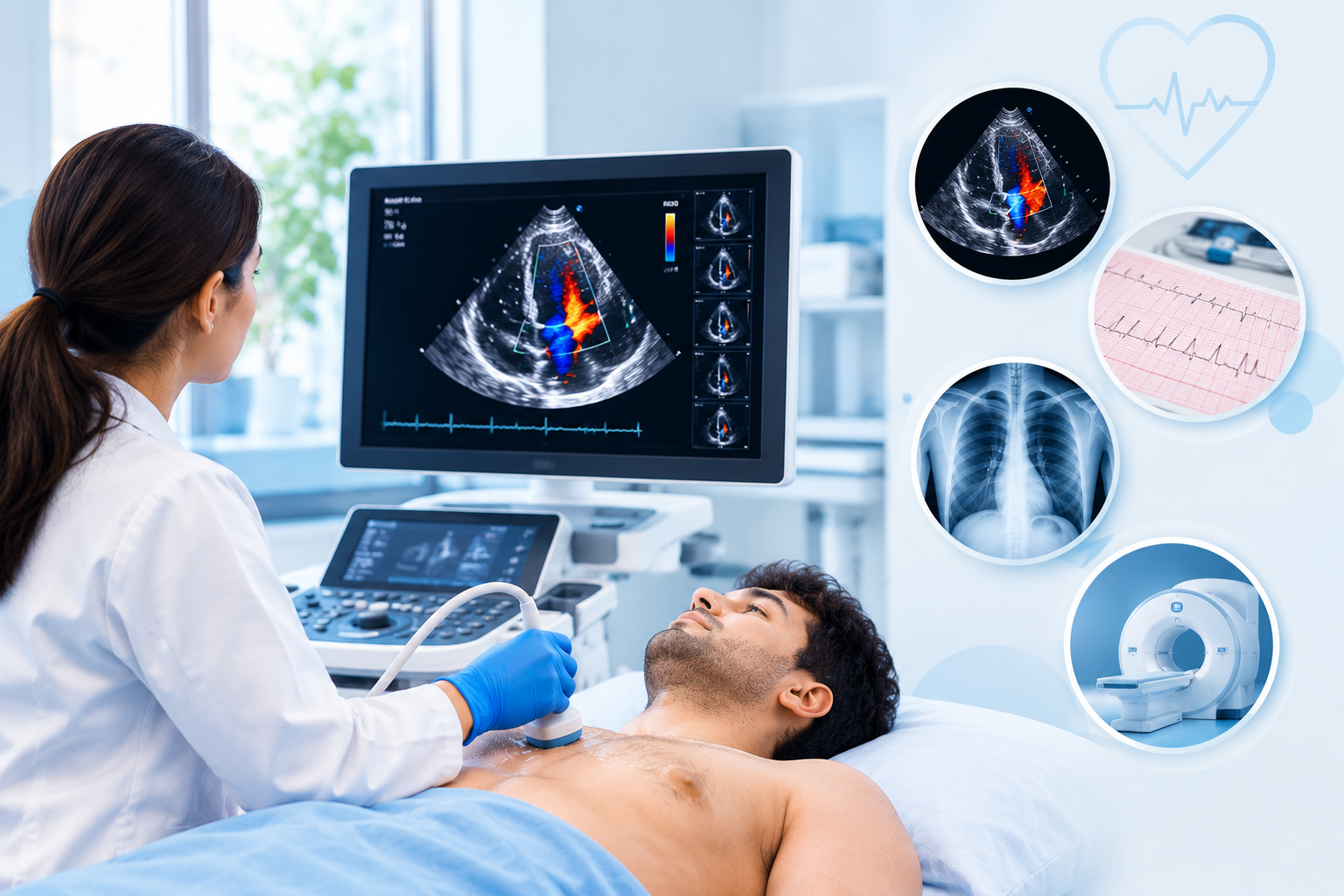
Provides detailed images of the heart chambers, septum, valves and blood flow.
Electrocardiogram (ECG)
Records the heart's electrical activity and can help identify rhythm abnormalities.
Chest X-Ray
May provide information about the heart and lungs when clinically indicated.
Cardiac CT or MRI
May be considered when more detailed anatomical information is required.
Treatment Options
Catheter-Based Closure
For selected defects, particularly certain types of ASD, closure may be performed using a catheter inserted through a blood vessel and guided to the heart. A closure device can be positioned across the defect when the anatomy is suitable.
Surgical Septal Defect Repair
When catheter-based treatment is not suitable or when the defect requires surgical correction, open-heart surgery may be performed. Depending on the defect, the opening may be closed using sutures or a patch.
Personalized Treatment Planning
The choice of treatment depends on factors such as the type of defect, size, location, associated heart conditions, symptoms and overall cardiac health.
The Surgical Procedure
Septal Defect Repair
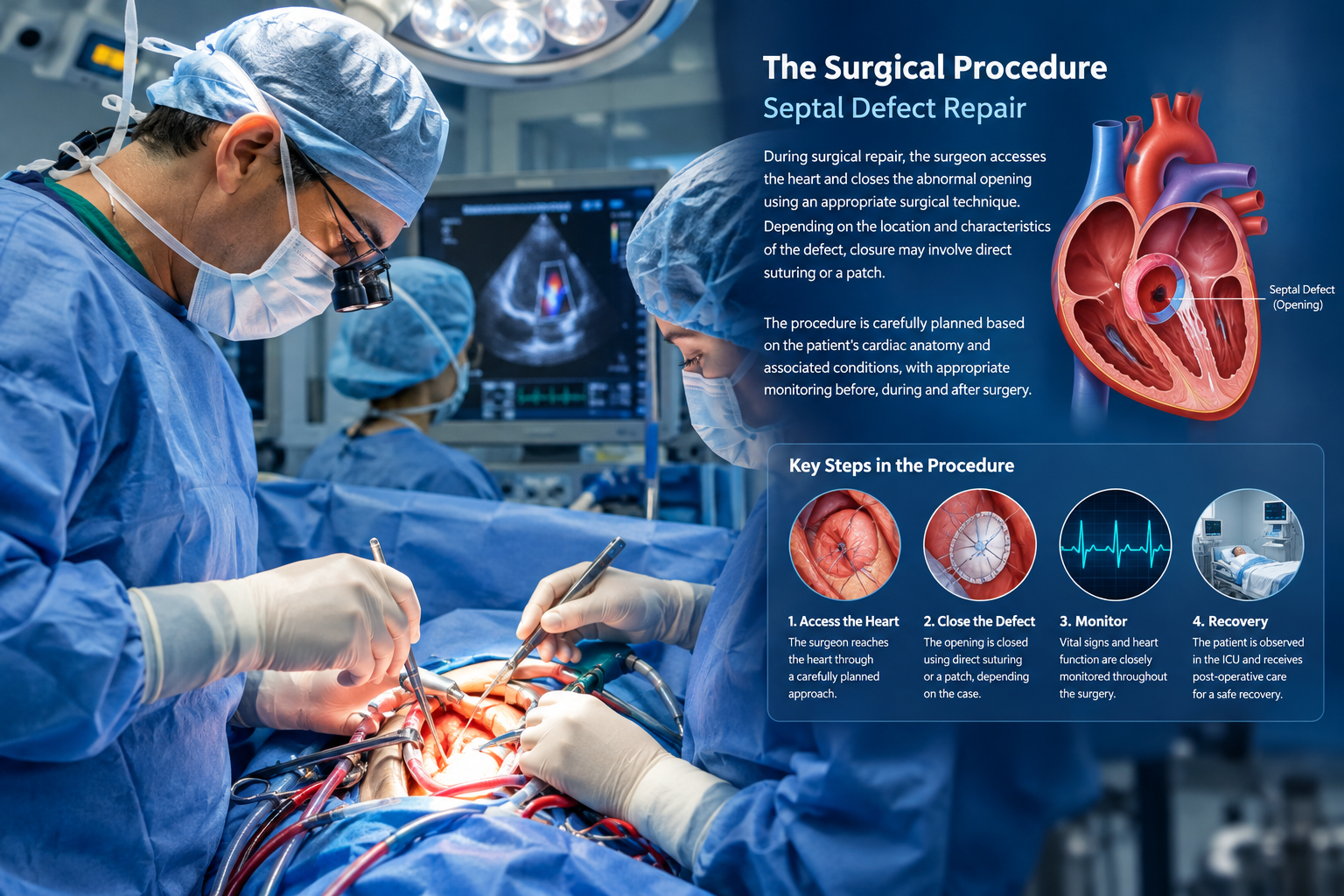
During surgical repair, the surgeon accesses the heart and closes the abnormal opening using an appropriate surgical technique. Depending on the location and characteristics of the defect, closure may involve direct suturing or a patch.
The procedure is carefully planned based on the patient's cardiac anatomy and associated conditions, with appropriate monitoring before, during and after surgery.
Recovery & Follow-Up
Continued Cardiac Care After Treatment
- Cardiac Evaluation
- Treatment Planning
- Septal Defect Closure or Repair
- Recovery
- Follow-Up
Follow-up may include:
- Clinical cardiac evaluation
- Echocardiography
- Heart rhythm monitoring when required
- Assessment of recovery
- Monitoring for residual defects or other complications
- Long-term cardiac follow-up when appropriate
The follow-up schedule varies according to the patient's age, defect, treatment and overall health.
Why Choose HeartCraft
Specialized Cardiac Surgical Care
Clinical Evaluation
Detailed assessment helps understand the defect and its effect on heart function.
Surgical Precision
Treatment is planned according to the patient's individual cardiac anatomy and clinical requirements.
Personalized Care
Patients receive guidance throughout evaluation, treatment, recovery and follow-up.
Patient-Centered Approach
Care is planned around the patient's individual condition, treatment requirements and recovery needs.
Dr. Dipti Ranjan Dhar
Cardio-Thoracic & Vascular Surgeon
Dr. Dipti Ranjan Dhar provides specialized care in cardiac, thoracic and vascular surgery, with an approach focused on careful evaluation, appropriate treatment planning, surgical precision and patient-centered care.
Frequently Asked Questions
What is a septal defect?
A septal defect is an opening in the septum, the wall that separates the chambers of the heart. It can allow blood to pass abnormally between chambers. The effect depends on its size and location.
What is an ASD?
An atrial septal defect (ASD) is an opening between the two upper chambers of the heart, the atria. Types include secundum, primum and sinus venosus defects, and treatment depends on the type and characteristics of the defect.
What is a VSD?
A ventricular septal defect (VSD) is an opening between the two lower chambers of the heart, the ventricles. Some small VSDs close on their own, while medium or large ones that cause significant effects may need intervention.
Does every hole in the heart require surgery?
No. Small defects may sometimes be monitored with regular cardiac examinations. Whether treatment is needed is decided after an individual cardiac evaluation.
How is a septal defect diagnosed?
Evaluation may include echocardiography and an ECG, and a chest X-ray, cardiac CT or MRI when clinically indicated. Your doctor decides which tests are appropriate for you.
Can a septal defect be closed using a catheter?
For selected defects, particularly certain types of ASD, closure with a catheter-delivered device may be possible if the anatomy is suitable. Not all defects can be closed this way, and suitability is assessed individually.
When is surgery considered?
Surgery may be considered when catheter-based treatment is not suitable or when the defect needs surgical correction. This depends on the type, size and location of the defect, associated heart conditions, symptoms and overall cardiac health.
What happens after septal defect repair?
Regular follow-up is important. It may include clinical evaluation, echocardiography, heart rhythm monitoring when required, assessment of recovery and monitoring for residual defects or other complications. The schedule varies with each patient's age, defect, treatment and overall health.
Your Heart Deserves Specialized Care
If you or your family member has been diagnosed with a septal defect, a detailed cardiac evaluation can help determine the nature of the defect and the appropriate treatment options.
Dr. Dipti Ranjan DharCardio-Thoracic & Vascular Surgeon
HeartCraft
Phone: 9853907596
Visuals are medical illustrations for educational purposes, not images of actual patients or surgical outcomes. This page is general information and does not replace individual medical advice.